Garden Maintenance in Hackney
Introduction to Garden Maintenance
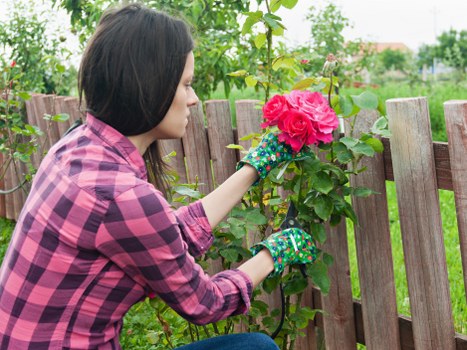
Maintaining a beautiful garden in Hackney requires dedication, knowledge, and the right practices. Whether you have a small balcony garden or a spacious backyard, regular upkeep ensures that your outdoor space remains vibrant and inviting throughout the year.
Garden maintenance involves a variety of tasks, including pruning, weeding, watering, and fertilizing. Each of these tasks plays a crucial role in the health and aesthetics of your garden.
In Hackney, where urban living is prevalent, having a well-maintained garden can provide a serene escape from the hustle and bustle of city life.

Essential Garden Maintenance Tasks
1. Pruning and Trimming
Regular pruning helps shape plants, promotes healthy growth, and prevents the spread of diseases. In Hackney's climate, it's essential to prune at the right times of the year to ensure optimal plant health.
Trimming hedges and shrubs not only enhances the appearance of your garden but also encourages denser growth, making your greenery more lush and vibrant.
Using the right tools and techniques is critical to avoid damaging your plants during the pruning process.
2. Weeding
Weeds can quickly take over a garden, competing with your desired plants for nutrients, water, and sunlight. Regular weeding is necessary to keep your garden beds healthy and aesthetically pleasing.
Mulching is an effective method to suppress weed growth while retaining soil moisture and improving soil structure.
Removing weeds promptly ensures that they do not spread seeds, which can lead to a more extensive infestation later on.

Watering and Irrigation
Proper watering is vital for maintaining a healthy garden. In Hackney, where weather patterns can vary, it's important to adjust your watering schedule to meet the needs of your plants.
Implementing an efficient irrigation system, such as drip irrigation or soaker hoses, can help conserve water and ensure that plants receive consistent moisture.
Monitoring soil moisture levels and adjusting watering times based on seasonal changes can prevent overwatering or underwatering, which can be detrimental to plant health.
3. Fertilizing
Fertilizing your garden provides essential nutrients that support plant growth and blooming. In Hackney's urban environment, soil quality can sometimes be compromised, making fertilization even more important.
Choosing the right type of fertilizer, whether organic or synthetic, depends on your garden's specific needs and the types of plants you are cultivating.
Applying fertilizers at the appropriate times of the year ensures that plants receive the nutrients they need during their most active growth periods.
Pest and Disease Management
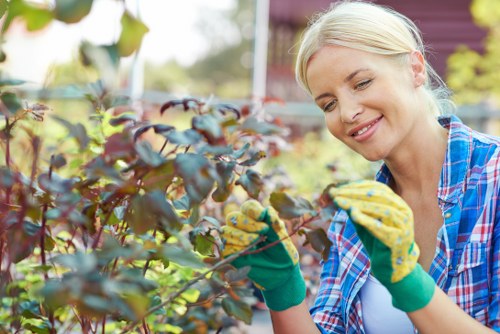
Protecting your garden from pests and diseases is a critical aspect of maintenance. In Hackney, urban gardens can be susceptible to various pests due to the proximity of other green spaces.
Implementing integrated pest management strategies, such as introducing beneficial insects or using organic repellents, can help control pest populations without harming the environment.
Regularly inspecting your plants for signs of disease and taking immediate action can prevent minor issues from becoming major problems.
4. Seasonal Maintenance
Each season in Hackney brings unique challenges and opportunities for garden maintenance. Adjusting your maintenance routine to align with seasonal changes ensures that your garden remains healthy year-round.
In spring, focus on planting new seeds and preparing soil, while autumn requires leaf removal and protecting plants from the coming cold.
Winterizing your garden by covering sensitive plants and maintaining tools can extend the lifespan of your garden's infrastructure.
Landscape Design and Enhancement
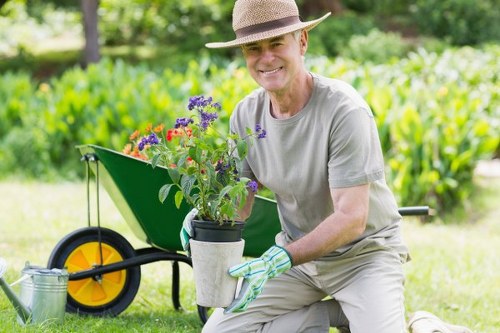
Thoughtful landscape design can transform your garden into a stunning oasis. Incorporating elements such as pathways, water features, and decorative planting can add visual interest and functionality to your outdoor space.
Selecting plants that thrive in Hackney's climate ensures that your garden remains lush and vibrant with minimal effort.
Using a mix of perennials and annuals can provide continuous color and texture throughout the growing season.
5. Lawn Care
A well-maintained lawn is a focal point of many gardens in Hackney. Regular mowing, aeration, and fertilization keep your grass healthy and green.
Addressing issues like patchy grass or soil compaction promptly can prevent long-term damage and maintain the beauty of your lawn.
Choosing the right grass variety suited to Hackney's climate can reduce maintenance efforts and enhance the resilience of your lawn.
Choosing the Right Garden Maintenance Services in Hackney
When it comes to garden maintenance in Hackney, selecting a professional service can save you time and ensure top-quality results. Professional gardeners have the expertise and tools necessary to keep your garden in optimal condition.
Look for services that offer comprehensive maintenance packages, tailored to meet the specific needs of your garden. Whether you require regular upkeep or seasonal enhancements, finding the right provider is essential.
Reading reviews and asking for recommendations can help you find a reputable garden maintenance service in Hackney that aligns with your expectations.
6. Sustainable Gardening Practices
Adopting sustainable gardening practices not only benefits the environment but also enhances the health of your garden. Techniques such as composting, rainwater harvesting, and using native plants can make your garden more eco-friendly.
Implementing sustainable methods can reduce your garden's carbon footprint and promote biodiversity in Hackney's urban landscape.
Encouraging pollinators and wildlife through thoughtful plant selection and habitat creation contributes to a balanced and thriving garden ecosystem.
Tools and Equipment for Effective Garden Maintenance
Having the right tools and equipment is essential for efficient garden maintenance. Investing in quality tools ensures that maintenance tasks are performed effectively and safely.
Essential tools include pruning shears, rakes, hoes, and watering systems. Keeping tools well-maintained and stored properly extends their lifespan and performance.
Using ergonomic tools can reduce physical strain and make garden maintenance a more enjoyable activity.
7. Soil Health and Management
Healthy soil is the foundation of a thriving garden. Regularly testing soil pH and nutrient levels helps you understand the specific needs of your plants.
Amending soil with organic matter, such as compost or manure, improves its structure and fertility, promoting robust plant growth.
Proper soil management techniques, including mulching and cover cropping, prevent erosion and maintain soil moisture levels.
Maximizing Garden Potential in Hackney
With the right maintenance strategies, even small gardens in Hackney can flourish. Maximizing space through vertical gardening, container planting, and strategic plant placement allows you to create a lush and functional garden area.
Incorporating elements like seating areas, lighting, and decorative features enhances the usability and aesthetic appeal of your garden.
Regularly evaluating and adjusting your garden's layout and plant selection ensures that it remains a harmonious and enjoyable space.
8. Regular Inspections and Assessments
Conducting regular inspections and assessments of your garden helps identify potential issues early on. Monitoring plant health, soil condition, and pest activity allows for proactive maintenance measures.
Keeping a gardening journal or log can help track changes and plan future maintenance tasks effectively.
Staying informed about local gardening trends and practices in Hackney can inspire new ideas and improvements for your garden.
Conclusion
Effective garden maintenance in Hackney involves a combination of regular care, sustainable practices, and thoughtful design. By staying dedicated to upkeep tasks and utilizing professional services when needed, you can enjoy a beautiful and thriving garden year-round.
Whether you are a seasoned gardener or a beginner, implementing these maintenance strategies will enhance the health and beauty of your outdoor space.
Contact us today to learn more about our garden maintenance services in Hackney and take the first step towards a stunning garden.